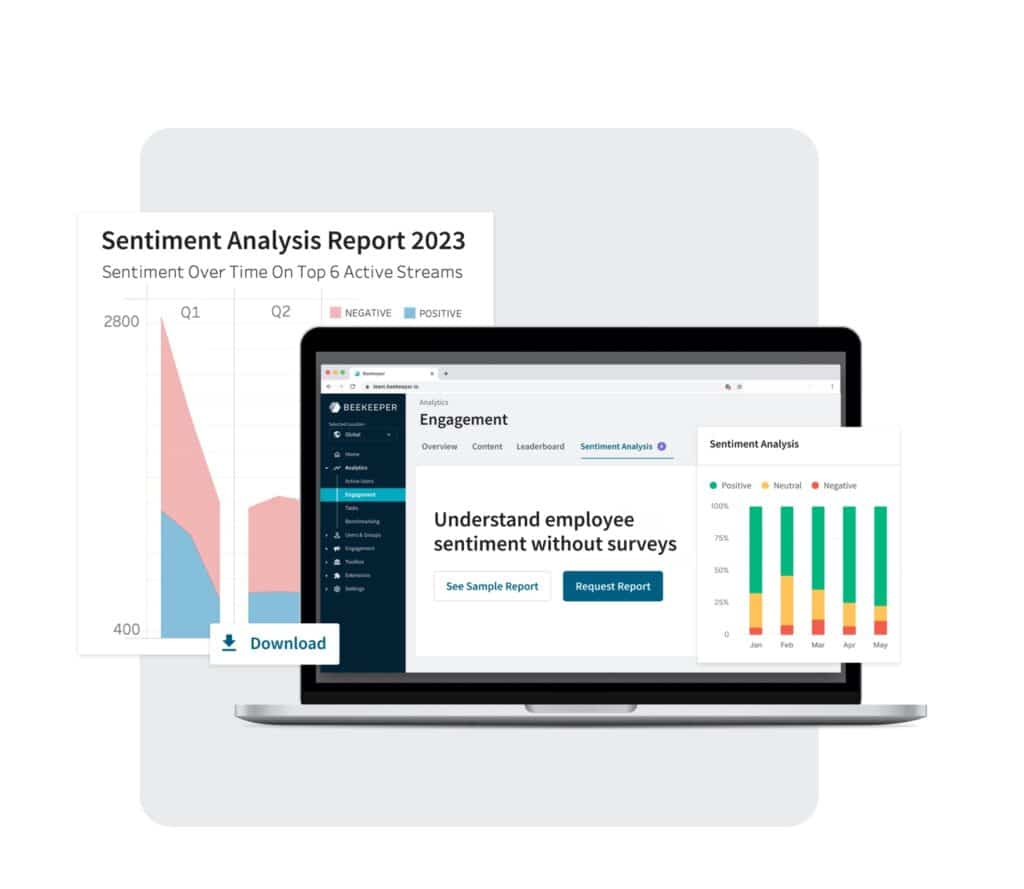
How employees and employers value one another is a key indicator of business success.
A strong relationship drives the very best behaviors and delivers better returns.



How employees and employers value one another is a key indicator of business success.
A strong relationship drives the very best behaviors and delivers better returns.
Topics: Employee Engagement, Internal Communications, Employee Experience, Best Practice, Operational Efficiency
Whenever I ask organizations how they communicate with and get their message across to their entire workforce - including their non-desk workforce that performs their work on-the-go - I often hear, “Oh, internal communication with our mobile workforce? We have it covered. Everyone is on WhatsApp.”
This makes me very concerned and uneasy.
Have you ever asked yourself the question, "What could be so wrong with using a consumer tool for internal corporate communications?"
Topics: Employee Engagement, Internal Communications, Employee Experience, Best Practice, Operational Efficiency, Tool

Topics: Employee Engagement, Internal Communications, Best Practice, Operational Efficiency
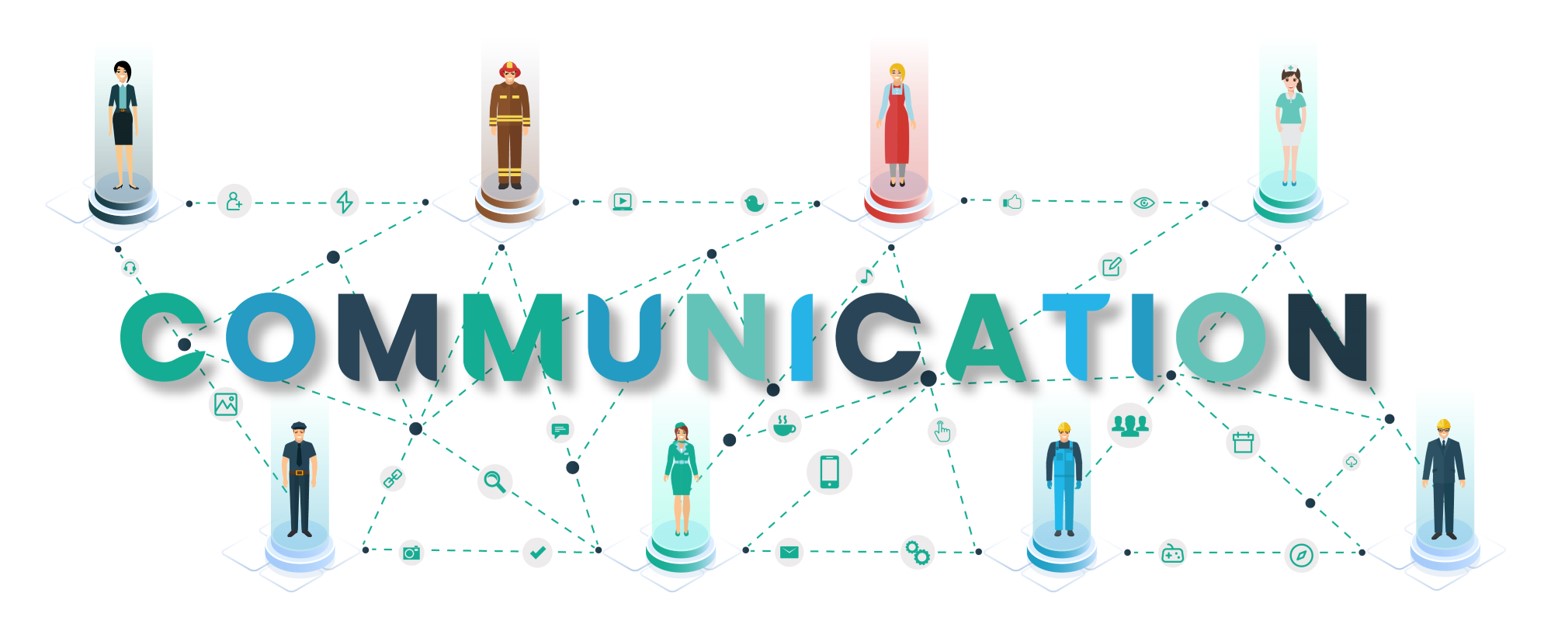
Take a guess at how many percent of the global workforce do not have a desk?
.
.
.
60 to 80% of workers globally - about 2.7 billion people - are “deskless” and handling jobs that do not require (or allow for) sitting in place.
If that number surprises you, think about all the industries this includes: retail and grocery, healthcare, hospitality and foodservice, construction, manufacturing, logistics and utilities.
These frontline workers have unique job demands, volatile working schedules, demanding customers, long hours standing, and little to no access to task-critical information.
This deskless workforce is undergoing an Employee Experience investment renaissance as companies are increasingly recognizing the impact technology has on boosting deskless worker productivity and job satisfaction.
Topics: Internal Communications, Employee Experience, Best Practice, Operational Efficiency

Frontline. noun “The most advanced, responsible, or visible position in a field or activity.”
That definition is an accurate description of your company’s most influential people: frontline employees. They’re on the ground, leading the charge, and have the most interaction with your customers.
How many percent of your frontline workers are receiving corporate communication directly and in an instant?
Typically, this mobile workforce is often left unattended and, as a result, is left feeling disconnected from the company. Only 13% of them are engaged at work. As a result, they’re more likely to leave for another company with a more inclusive approach and a digital workplace.
It’s important to understand why frontline employees need to be included in your business strategies.
Topics: Retail, Hospitality, Logistics, F&B, Internal Communications, Employee Experience, Best Practice

The key to any successful business is communication. After all, communication is essential in every aspect of company operations, from onboarding new employees to introducing new policies. When employees are well-informed, they perform better, are more productive, and feel happier in their workplace.
Here are 12 reasons why you’ll achieve greater success by prioritizing effective communication and using a great employee app.
Topics: Employee Engagement, Internal Communications, Employee Experience, Best Practice, Use-Case

One of the biggest operational challenges faced by companies with a large percentage of frontline workers is high turnover rates.
When your workplace becomes a revolving door of new staff members, your bottom line starts to struggle. Constantly having to recruit and train new employees gets expensive. Very expensive.
There are a number of reasons why turnover rates are so high among frontline workers. Here are just a few.
Topics: Retail, Hospitality, Logistics, Manufacturing, F&B, Employee Experience, Best Practice, Operational Efficiency, Use-Case

Workstream collaboration tools are finally becoming the standard they should have been a long time ago—and for good reason.
Clear collaboration is crucial across all teams and locations, especially for companies with a large percentage of non-desk employees. Office workers have been collaborating digitally for years, and there has been a recent surge in non-desk workers joining the collaborative process to bring entire organizations together in a more cohesive manner.
Topics: Internal Communications, Employee Experience, Best Practice, Operational Efficiency

Miscommunication is expensive. Due to high levels of linguistic and cultural diversity within the non-desk workforce, it is crucial that the digital platform you adopt can effectively accommodate many different types of communicators.
Organizations have to cultivate an environment for inclusivity, engagement, and diversity if they want to increase productivity as well as retain more talents.
As mobile workforce demographics reflect more diversity, companies need to implement internal communication strategies that include every single worker.
Topics: Employee Engagement, Retail, Logistics, Manufacturing, F&B, Internal Communications, Employee Experience, Best Practice, Operational Efficiency

In life, we overwhelmingly add. We like to do ‘more’ rather than ‘less’.
It doesn’t have to be that way.
The other option is to subtract (often overlooked).
There are rewards in less.
Getting to less doesn't mean we're doing less; rather, it's quite the opposite. We do much more thinking when we consider outcomes that involve subtraction because it forces us to think more than we did before when we defaulted to addition-solutions only.
One way to subtract is to stop doing certain things.
Topics: Employee Engagement, Employee Experience, Best Practice